Courage through Calculated Risks
In our classrooms, we often reflect on the various traits that make a lifelong learner, and one that consistently stands out is being a Risk Taker. While the word risk can suggest recklessness, in the context of a high quality education it means something far more profound: balancing courage with careful preparation. Life rarely rewards those who stay strictly within the boundaries of what is known. Whether a student is proposing an unconventional hypothesis in a science lab or a young writer is experimenting with a complex new literary style, true growth happens at the very edge of our comfort zones. This growth is most profound when it stems from a calculated risk rather than a blind leap. It is the thoughtful process of looking ahead, preparing for the what ifs, and yet still finding the inner strength to move forward despite the fear of setbacks.
At our school, we often talk about creating a brave space for our students, a place where they feel empowered to speak up, challenge ideas and experiment, even if they might not succeed at first. However, we recognise that a brave space cannot exist without first establishing a safe space. Imagine a student trying to solve a challenging, open-ended maths problem or leading a complex historical investigation where the answers are rarely black and white. They only have the courage to be vulnerable and take that risk because they know they are supported by a community that acts as their safety net. Our students embrace these challenges because they know they are valued for their efforts and character, regardless of the outcome. This courage stems from the safety of the classroom and results in a leap in self confidence that no textbook alone could provide.
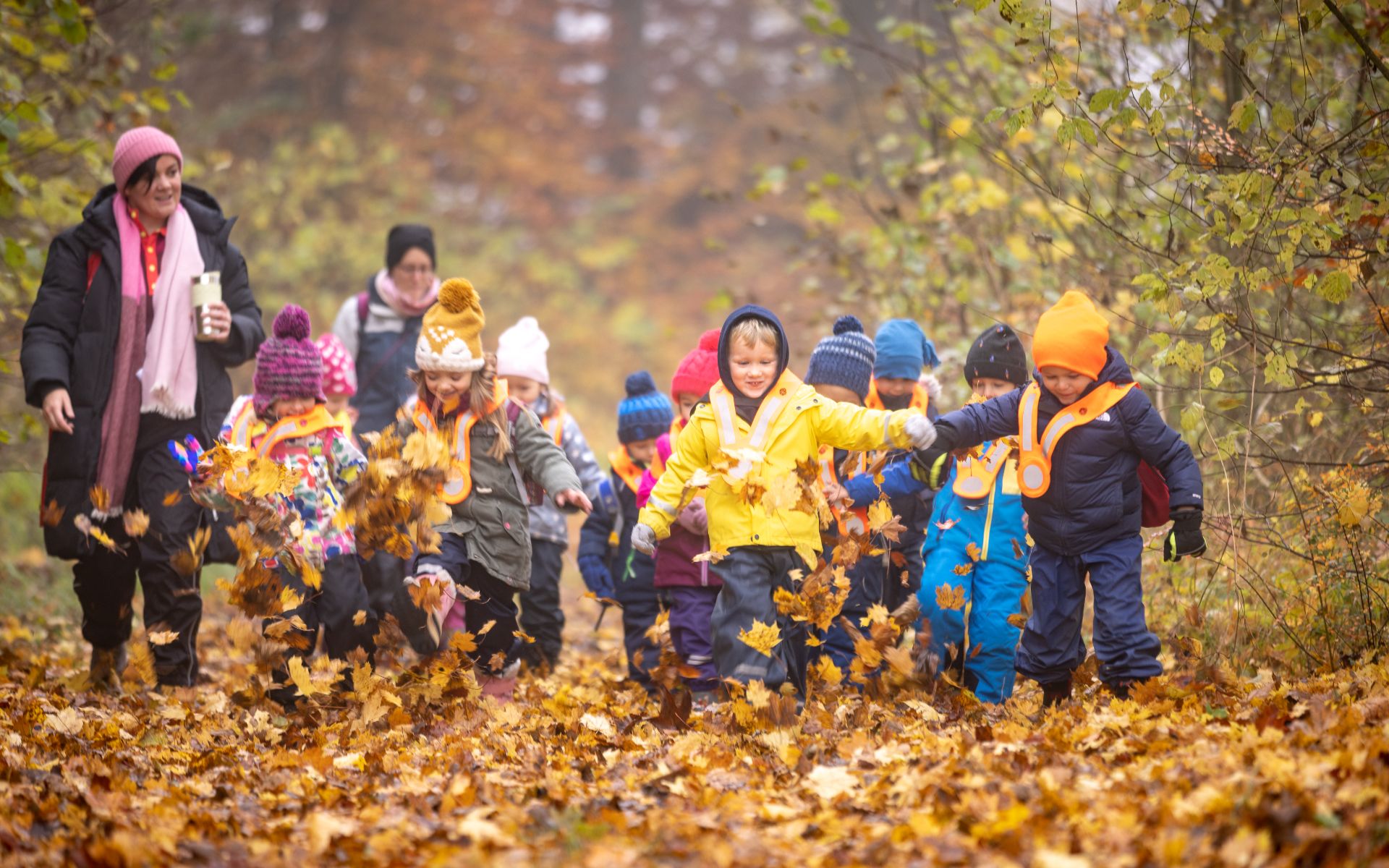
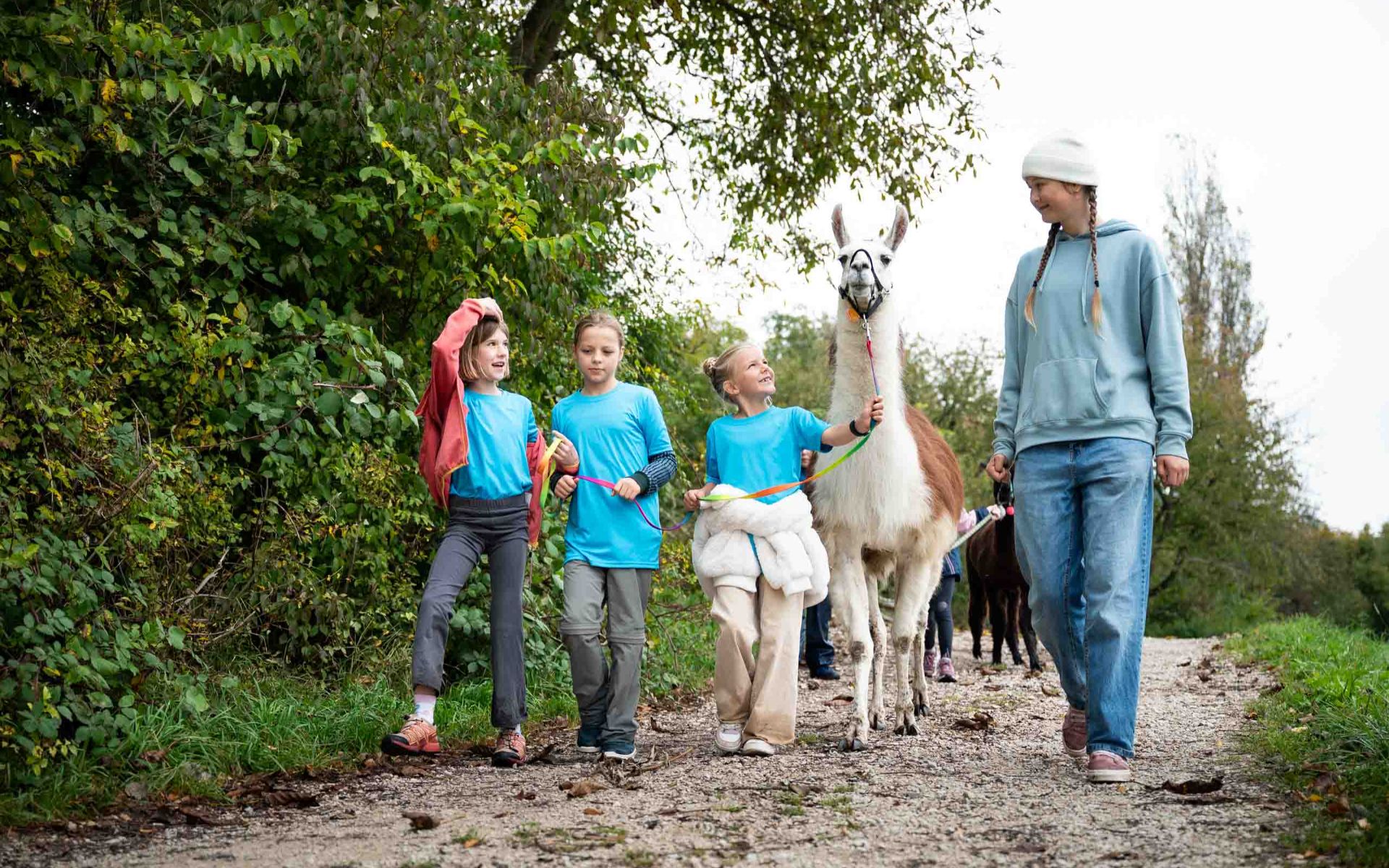
This philosophy extends far beyond the four walls of our classrooms. At ISSH, we believe in combining textbook learning with real world experiences through our extensive programme of field trips and excursions. Moving from the theoretical to the practical naturally involves a higher degree of complexity, yet we embrace this wholeheartedly. This is where our commitment to calculated risk becomes most visible. Writing detailed risk-assessments for every excursion, whether it is a simple day trip into the local community or an overnight adventure, is a fundamental part of our process. These assessments do not exist to stop us from exploring; rather, they are the very tools that allow us to plan and execute ambitious learning journeys with confidence. By meticulously preparing for the “what ifs”, we ensure that the focus remains on the incredible learning and personal growth that only happens when students engage with the world firsthand.
We are deeply aware that this growth is a collaborative journey. Your conversations at the dinner table, your encouragement during moments of challenge, and the values you model each day play a vital role in shaping the young people, our students and your children, are becoming. I encourage you to share a story with your child this month about a time you had to find your own courage; perhaps a moment where you felt nervous but decided to take a leap anyway because you had prepared for it. Showing them that we, too, must navigate these challenges is one of the most powerful lessons we can offer.
As parents and educators, our role is not to remove every obstacle from their path, but to equip them with the resilience to decide which obstacles are worth climbing. When we celebrate the bravery of a bold attempt just as much as we celebrate a perfect score, we foster the kind of spirit the modern world demands.
Warmly,
Ebru Güver
Head of School